Ethiopia is a country with an image problem.
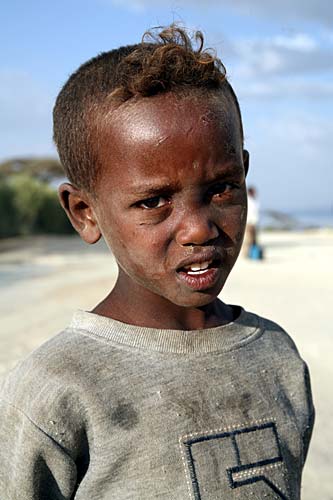
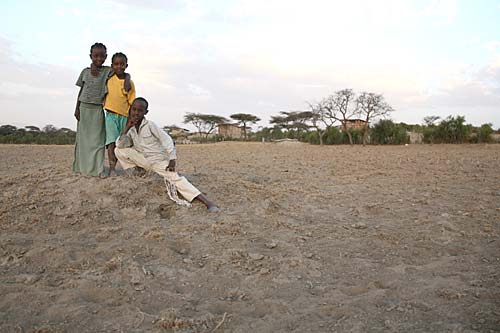
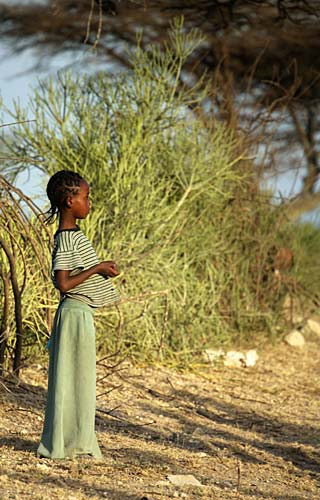
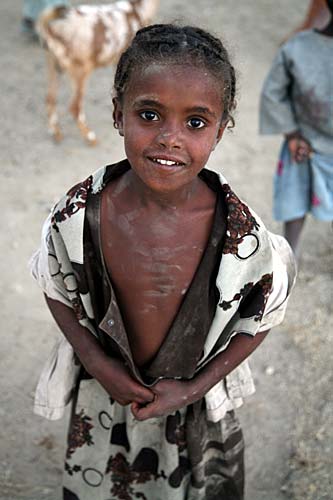
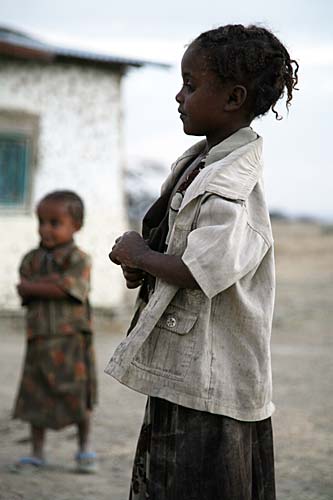
Whenever I thought about Ethiopia, the first image that came to mind was always of a starving kid. A dusty, starving child with tattered clothes. And flies buzzing all over his face.
Well, I found him. The kid with the flies. He's everywhere, actually. I could reproduce that picture in a heartbeat.
The secret ingredient is the flies. Ethiopian flies are like none other in the world. Small, fast and fearless, they can sense the humidity on your body some ten miles away. Or at least that's how it seems. One minute you're standing there and the next thing you know there's a fly trying to drink from your eyeball and another trying to suck off the moisture from your lower lip. It's like they just materialize out of nowhere. Bloody annoying, too.
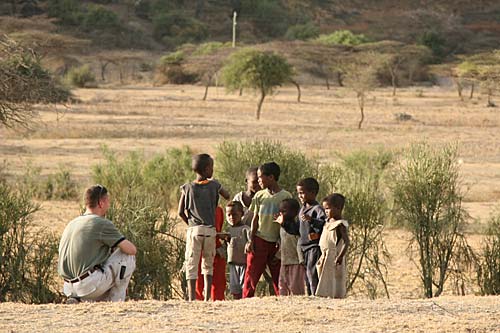
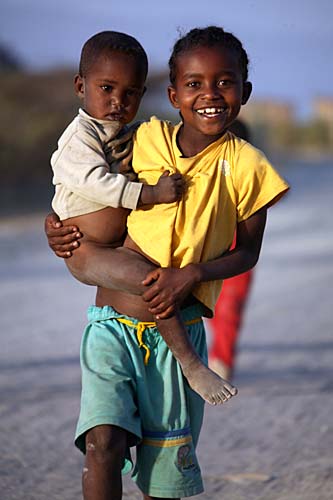
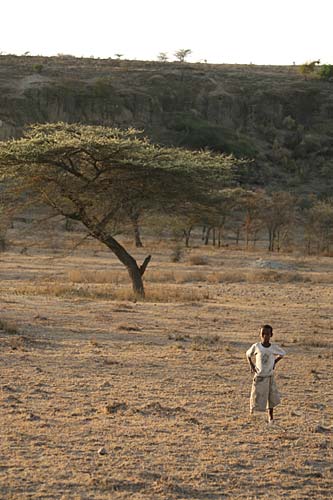
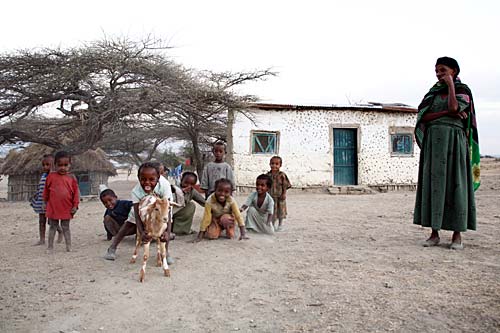
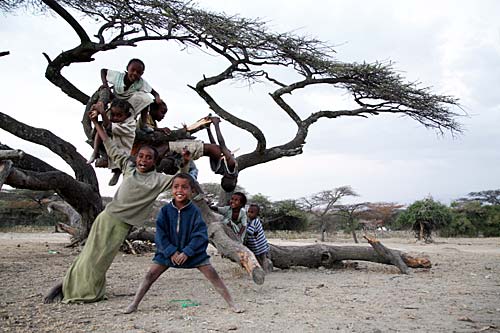
As a Westerner, you sometimes end up walking around like a person possessed, constantly waving away flies from your face. But the young kids here just learn to deal with them, and for the most part ignore their presence. So finding a young child with flies on his face in rural Ethiopia is just about the easiest thing in the world. Finding one that's starving...well, for that you'd have to do quite a bit of searching.
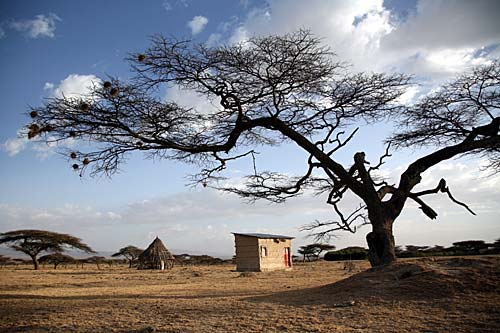
Yes, it's one of the poorest countries in the world. Yes, there was starvation during the 1980s. But as nearly all cases of starvation in the 20th century, that had more to do with their communist economic system at the time than anything else. Today Ethiopia remains relatively poor, but is on the path to increasing prosperity and surprisingly rich in history, culture, people, scenery and wildlife. One of the most fascinating countries on the African continent, Ethiopia in 2006 is a jewel to the intrepid traveler and one of Africa's best-kept secrets.
With only two weeks to visit a country twice the size of Texas (or France), there were some hard choices to make. With one of the oldest Christian histories in the world, dating back to the 4th century when Christianity became the official state religion (including the minting of the first coins in the world ever to feature the cross), the history and monument-rich northern part of the country was very tempting. Massive churches cut straight out of the rock. Ancient historical ruins. Grand temples reminiscent of Abyssinian glory.
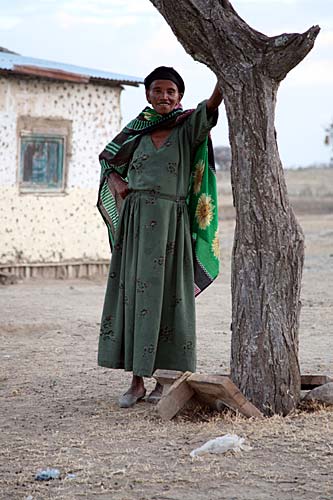
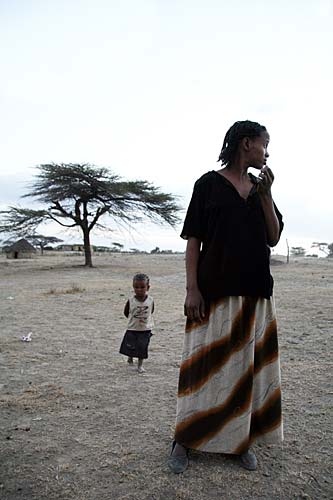
But it was the cultural richness of the country that beckoned most. Comprised of over 80 separate tribes and the only country in Africa to have escaped European colonialism (despite a particularly brutal attempt by Italy's Mussolini in the 30s), Ethiopia's 64 million people--the second largest population in Africa--are its true treasure. And nowhere more so than in the remote southwest's Omo Valley, where in a relatively small geographical area live dozens of fascinating tribes much as they have for thousands of years, seemingly untouched by the advance of time.
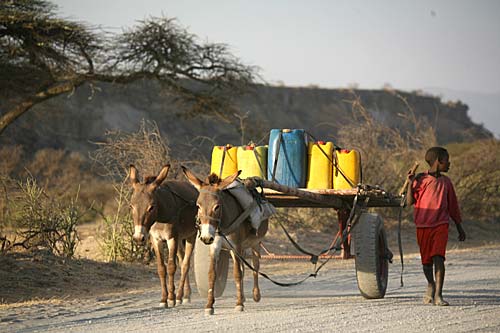
It's not easy to get there. During the rainy season, the roads are impassable. During the dry season, the roads truly justify the existence of four-wheel drive vehicles. If your car can't handle a steep incline of loose rock, plow through a foot of loose dirt, or cross a river without stalling, don't bother. When you start calculating three hours to travel 30 miles, you know you're in for a rough and bumpy ride.
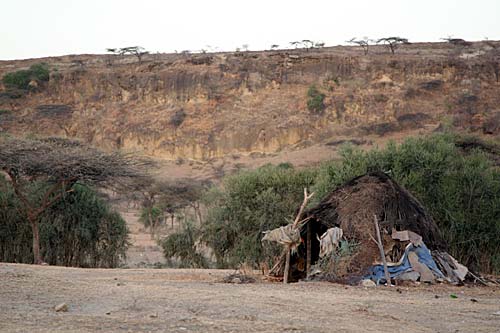
Partly because of this geographical isolation, and partly because of the pounding heat, the diverse tribes of the Omo Valley have lived relatively free of outside influence for thousands of years. Like a time capsule to a world gone by.
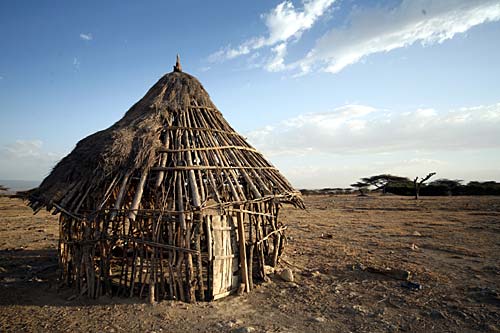
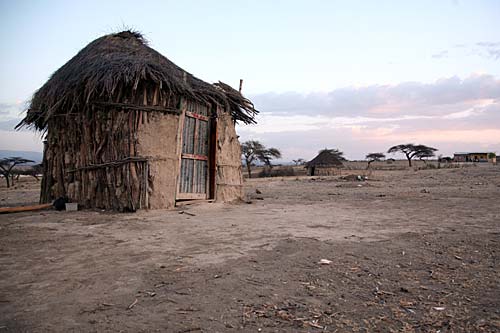
Still, the experience caught me off-guard. I knew what to expect, but that still doesn't quite prepare you for the first sight of a topless woman coming out of a straw thatch hut wearing only a loose animal pelt, large hoop bracelets and earrings, and a leather belt with clay pots attached. With hair dyed ochre red braided into glistening tresses. And with decorative body scarring on the stomach and arms.
I mean, what do you say? "Uh, hey there" doesn't quite seem to cut it. Especially after her husband comes out wearing what appears to be a colorful blue miniskirt, even more scarring, some kind of plate on his head, body paint on his face, and hoop earrings larger than any you've ever bought for your girlfriend. Oh, and a machine gun casually slung over his shoulder.
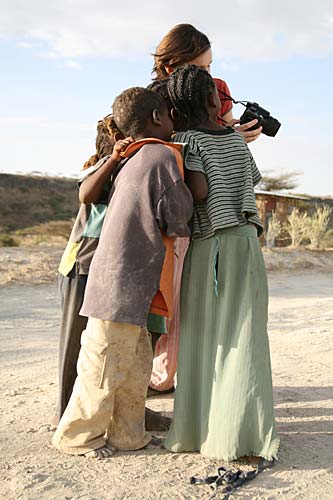
No question, life is different in the Omo Valley. As I would discover over the course of the next ten days, journeying from one tribal village to another, life is also very beautiful. Camera in hand and preconceived notions out the window, it was time to discover for myself the hidden cultural gem within Ethiopia. To enter a world seen by very few and whose very existence may not survive another generation. To replace the misguided image of flies on a starving child with those of a country whose cultural richness is beyond words.